Posts Tagged ‘teachers’

Miscelánea de mayo (8.5.2024, miércoles)

8 May 2024

@eugenio_fouz

May 8th, 2024. Wednesday

.

_

Emilio Calatayud

@YouTube, 1 min.

__

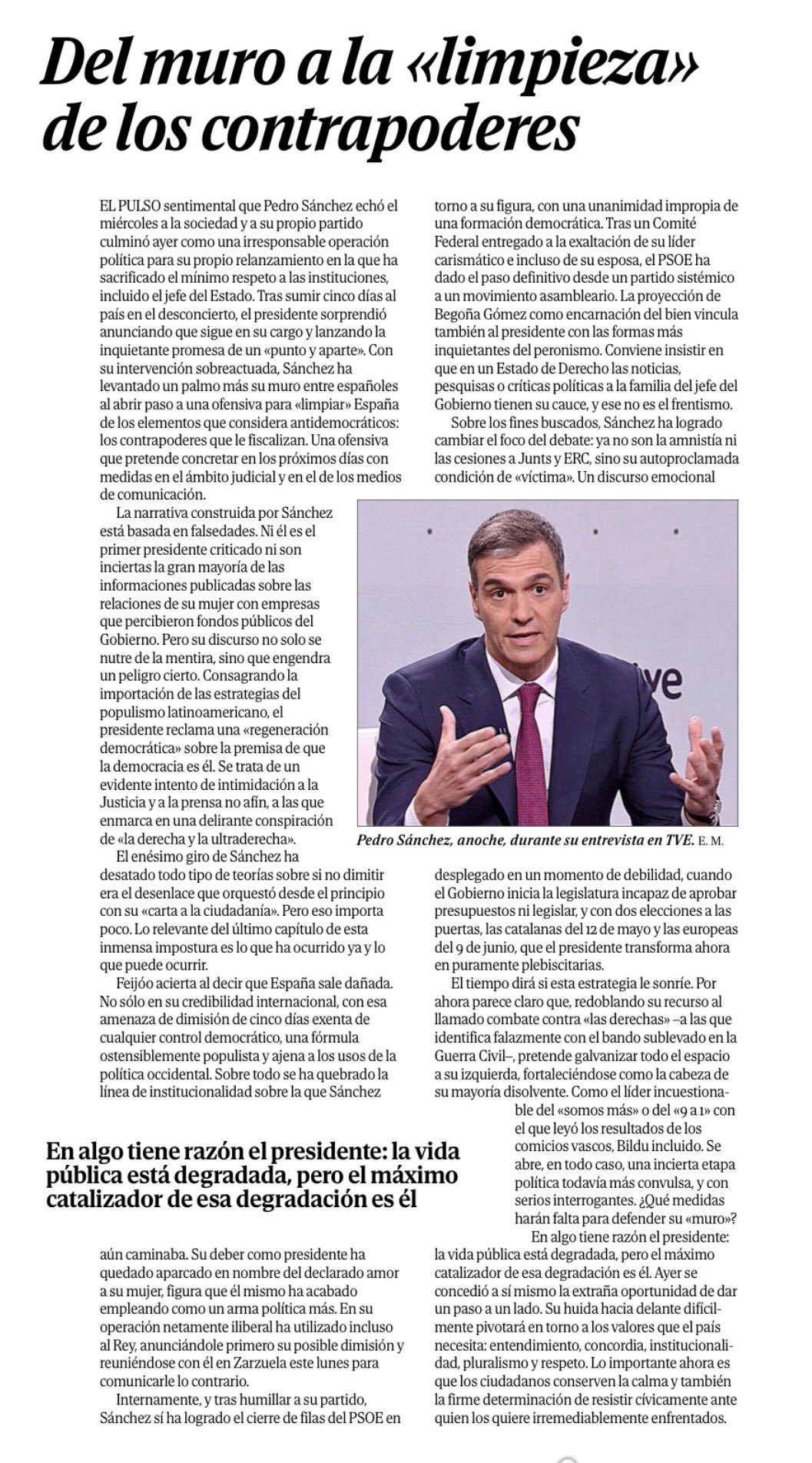
El Mundo, 30.4.2024

EDITORIAL

__

@Quora

*

__

Huidobro, Altazor

vicentehuidobro.uchile.cl/altazor/

Nelly Furtado

@YouTube, 4 mins.

_

N O T I C I A S

1/

laopiniondemurcia.es/2024/05/07/evaluacion-diagnostico

.

2/

perder grasa abdominal

eldiario.es/como-perder-grasa-abdomen

3/

ejem, ejem (ese vigilante)

instagram.com/reel/apuros/vigilante/

__

4/

medium.com/@pdfslider/view-deleted-tumblr-blogs/

.

5/

newsweek.com/teacher-clever-hack/

___________________________________

¿Es la lengua un instrumento de comunicación?

IGNACIO BOSQUE

archiletras.com/firma/es-la-lengua-un-instrumento-de-comunicacion/

________

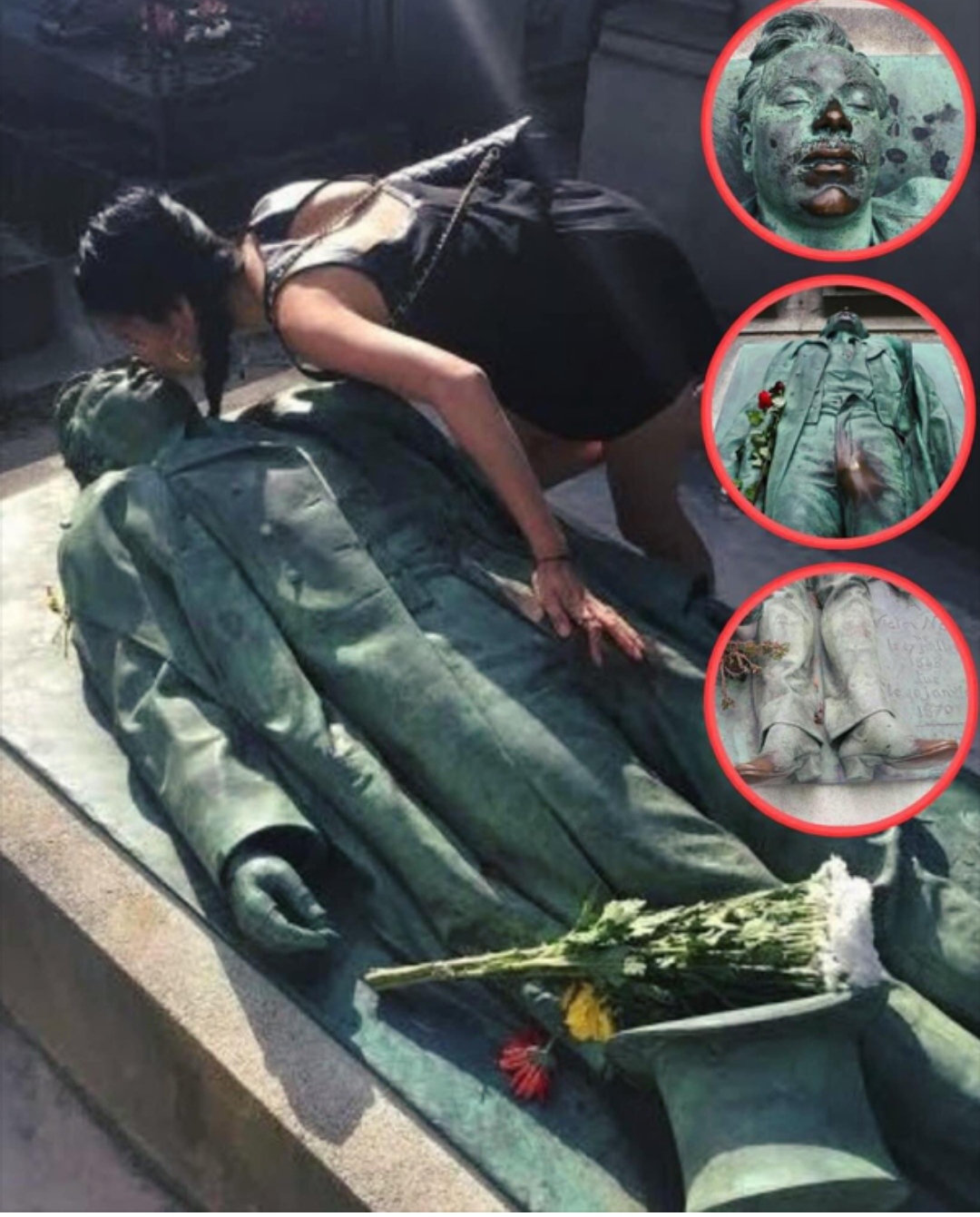
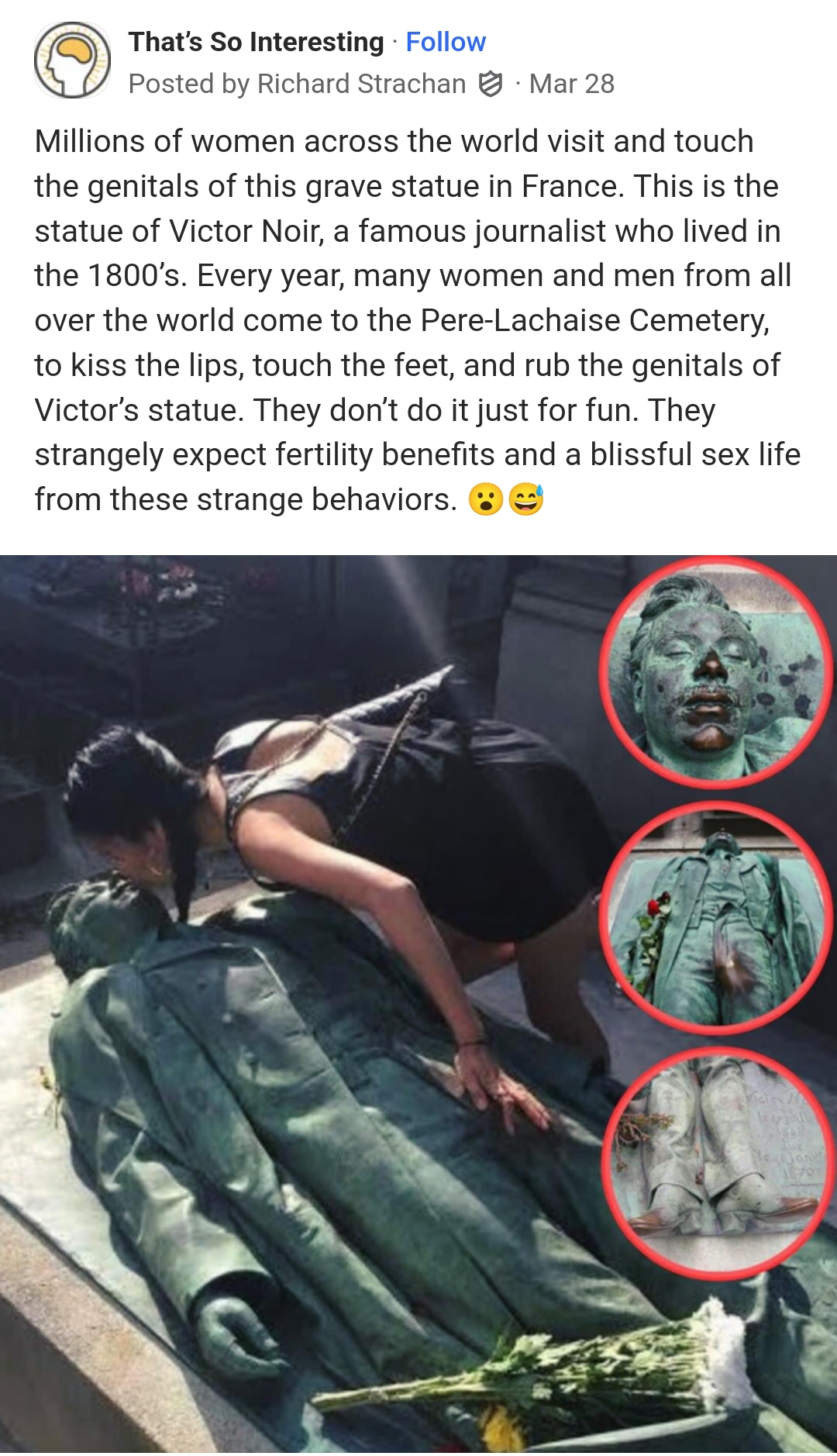
PDF. Victor Noir / douchebag

drive.google.com/E.F/Victor.Noir/

#PDF

_____________

 La coma del vocativo

[gracias, @profedonPardino ]

fundeu.es/consulta/comas/vocativo

__

letraslibres.com/carta-de-sanchez/

Germán M. Teruel Lozano

***

__

cute girl on the phone

twitter.com/TheFigen_/on the phone/

_

English pronunciation practice

@YouTube, English pronunciation (8:36 mins.)

*

Teachers´things and stuff

19 October 2022

twitter: @eugenio_fouz

-seen on @Pinterest-

_

short, brief news on Newsbriefs

__

.

cambridgeenglish.org/C1

.

__

reminder on ordinal numbers

_

https://academic-englishuk.com

__

_

Oh, women

__

https://twitter.com/fun4laugh/status/1581965487876947968?s=20&t=ZgNLXfKM4v0XZmCbskzlHA

video shared on Twitter by @fun4laugh

___

‘Ulises’ (Eugenio Montejo)

1 October 2022

twitter: @eugenio_fouz

-@tumblr-

.

Ulises
EUGENIO MONTEJO
‘Barcos que veo allá lejos, balanceándose
cerrados como libros hace mucho leídos
¿Qué dicen, qué no dicen? —Hoy hablo griego
a bordo del primero que parta. Soy Ulises.

Barcos que cierro los ojos para ver
dentro de mí con la añoranza de sus Ítacas.
No sé en cuál voy, en cuál de tantos leo a Homero,
el biógrafo de mis nativos horizontes,
ahora que llevo un poco de café para los dioses
que nos prometen un viaje propicio.

Soy o fui Ulises, alguna vez todos lo somos;
después la vida nos hurga el equipaje
y a ciegas muda los sueños y las máscaras.
Mi corazón ya leva el ancla. Estoy a bordo.
Cuando distinga la voz de las sirenas
en altamar, al otro lado de las islas,
sabré por fin qué queda en mí de Ulises’

Things that happy teachers don’t do

teachinginthefastlane/things-happy-teachers-dont-do

.

***

Cervantes virtual: TEXTO del Cantar de Mío Cid

cervantesvirtual.com/texto-modernizado/CantardeMíoCid

___

__

__

___

Adrien Brody is Henry Barthes in “Detachment”

20 November 2021

twitter: @eugenio_fouz

double thinkAdrien Brody / Henry Barthes

__


Detachment, 2011 (dir. Tony Kaye)

@YouTube, 2:06 mins

woman in gent´s clothing

__

Henry Barthes

‘Doublethink. To deliberately believe in lies, while knowing they’re false. 

Examples of this in everyday life: “Oh, I need to be pretty to be happy. I need surgery to be pretty. I need to be thin, famous, fashionable.” Our young men today are being told that women are whores, bitches, things to be screwed, beaten, shit on, and shamed. This is a marketing holocaust. Twenty-four hours a day for the rest of our lives, the powers that be are hard at work dumbing us to death.

So to defend ourselves, and fight against assimilating this dullness into our thought processes, we must learn to read. To stimulate our own imagination, to cultivate our own consciousness, our own belief systems. We all need skills to defend, to preserve our own minds.’

@YouTube, 1:47 mins

**


“Todos somos Miguel Bosé” (Juan José Lara)

7 October 2021

twitter: @eugenio_fouz

miguel bosé

Todos somos Miguel Bosé

Juan José Lara, @JuanjoLara01

Zenda, 1.08.2021

‘Un hombre entra, junto a su mujer y sus cuatro hijos, en un pequeño restaurante de costa, en Montauk, entrañable enclave de Long Island. Allí vive su suegro, un escritor afamado que se encarga gustoso de subrayar el fracaso de su yerno, Noah, cuya carrera literaria no despega. Los atiende una camarera joven, Alison, una mujer devastada por la pérdida de su hijo de cuatro años y en pleno intento de recomposición de su matrimonio, que no resistió el embate. En el modesto restaurante del pueblecito playero sucede el milagro y la catástrofe: sucede el amor. Noah acabará dejándolo todo por Alison y una cascada de acontecimientos se precipitará en la vida de ambos y de quienes los rodean. Porque a menudo el amor es un volcán que salpica de lava incandescente a mucha distancia en derredor; el magma hirviente aviva a unos, pero, como en Pompeya, convierte a otros en cadáveres fosilizados. Alison y Noah son el Vesubio cuya erupción arrasa sus propias existencias y las de los suyos. Es el poder del amor: fértil y edificante; anárquico y destructivo.

Esta es la idea de The Affair, la serie de Showtime que se estrenó en 2014 y se prolongó durante cinco temporadas. Pocas creaciones artísticas muestran con semejante destreza la panoplia de sentimientos que se generan en torno al amor.’

(…)

http://laflordelflamboyan.blogspot.com/2021/09/todos-somos-miguel-bose.html

**

EXTRAS

1631900733459


__

rem teachers

*

Test generator (only for teachers)

16 January 2021

twitter: @eugenio_fouz

*

Free Test Maker

https://www.helpteaching.com/free-test-maker

**

Easy Test Maker

https://www.easytestmaker.com

***

Top 20 Online Quiz Makers

https://myelearningworld.com/top-10-free-online-quiz-makers-for-teachers-and-educators/

__

NOTE

Try some of these sites. Comments welcome

*

One more test maker: 

https://www.english.com/blog/make-learning-easier-the-new-test-generator/

The English language classroom (12 tips)

14 September 2019

twitter: @eugenio_fouz

The English language classroom (12 tips) 

1/exercises

practice (correction on BOARD, paper handout, document online)

2/words

drawings, context, usage of dictionaries and texts

3/BOARD

explanation of grammar, spelling words, samples, schedules, homework

4/audios

listening to audios from the textbook and other media. work pronunciation and understanding

5/notebook

taking time to jot down exercises, sentences, vocabulary

6/PPA

Parallel Papers.- BASICS (numbers, how to tell the time, etc), notes, lists of verbs, dialogues, idioms

(…)

Go on reading here:

#PDF G-Drive

https://tinyurl.com/y2e93klw

**


___

METHOD

Students don´t want to learn anymore … (Michael Brendan Dougherty)

9 April 2017

twitter: @eugenio_fouz

I came across this article weeks ago by means of a tweet with a link tweeted by Claudio Ortega (@clorgu). The text shows another side we might have forgotten on education and its focus. Thanks to both, the author and the messenger :.-

*

article written by Michael Brendan Dougherty:

Students don’t want to learn anymore. They want to teach.

Michael Brendan Dougherty [@michaelbd on Twitter]

-via theweek.com- Jan. 10th, 2017

“The student union at the University of London School of Oriental and African Studies made headlines with their proposal to “de-colonize” their institution. In the brash headlines of the Daily Mail and the Daily Telegraph, it was students demanding to remove Plato and Kant “because they are white.

The English tabloids aren’t wrong.

After demanding that at least the majority of the philosophers studied come from the Global South, the student manifesto says, “If white philosophers are required, then teach their work from a critical standpoint. For example, acknowledging the colonial context in which so called ‘Enlightenment’ philosophers wrote.” School is much easier for students when they teach the professors and not vice versa.

Unfortunately, the students don’t seem to know anything. There’s something anachronistic and flattening about grouping all philosophers who lived on the European continent “white,” a racial identity that had little or no salience to most of them while they lived, worked, and wrote. Or, at least, it didn’t have the meaning it would by the end of the colonial period.

It’s also reductive to define the intellectual output of an entire continent primarily by the power relations that existed for a few centuries between a handful of colonizing states. The white English philosopher Roger Scruton responded to the student union’s response dismissively, asking what precisely is the colonial context for understanding Kant’s “Critique of Pure Reason.”

The spasms of student attempts at “decolonization” are almost always ill-conceived. Last year Yale students petitioned the English department to “decolonize” themselves, announcing that it was “unacceptable” for the Major English Poets Sequence to feature so many white male authors, like Keats, Chaucer, Shakespeare, Donne, Pope, and Milton.

There’s something adorably naive about expecting the major poets of a language that was primarily spoken in one section of one island for half a millennium to be representative of all global voices. No one makes this demand of literature in other languages. We don’t expect to find Welsh, Brazilian, or Caribbean voices among the major Polish language poets.

Maybe naive isn’t the word. In fact it is the modern English major demanding a “diverse” set of voices in English literature that has become the caricature of the colonialist. It is the petitioning students who shout from their privileged position at the diverse world, “Speak English to me, please.”

If students really want to encounter classical poetry produced by non-whites, they have options. They can study the relative handful of languages that produced significant literature before the modern period. Hebrew, Arabic, Thai, Chinese, and Urdu come to mind. These are all worthy subjects crying out for more scholarship.

But there’s a catch. And it is what catches our activists out. Studying an ancient language to discover non-white voices is challenging and requires real work. You cannot pass the final exams just by repeating a number of fashionable political slogans. And perhaps activist students do not study these languages because they correctly suspect they won’t find much written in these languages that qualifies as politically correct by the standards of 2017. In fact, you will find in these literatures exactly the kind of messages that activists least like to hear. Lessons like: Humble yourself and mortify your ambitions.

Perhaps it is the students themselves who should have their views “interrogated” and their discourse of power deconstructed. The activist-student is engaged in a power grab. He wishes to delegitimize the power of professors and even the school itself. That is why the activist student defines knowledge itself as a form of malicious participation in an unjust power system. And he does so because this is the only way of dignifying his own ignorance. It is also the only way that he might shame an academic institution into creating a new administrative role for his kind of sloganeering.

In a real sense, the modern student activist is a kind of shallow theologian. He learns a political catechism, he identifies a scapegoat, and he enacts a ritualized sacrifice of a victim-group, in order to redeem himself and give some dint of credibility to his priestcraft.

Schools put up with this for the money. But why do we?”

*

Read the original version here:

http://tinyurl.com/hxomsjp

Rules in the examination room for teachers

26 March 2016

twitter: @eugenio_fouz

taking notes


Sign in paper -signatures (attendance) & call the register

Keys- 1 exam paper

Marks on the paper (every exercise shows its value)

Date on board

Mobile phones off

Silence

Timing: everybody hands in the paper at the same time

Keep a copy of the test, control or exam in dropbox

THEAFTEREXAMPAGE

Do not allow late exams in case the test counts 10 marks or fewer marks

Only allow late controls (20 marks) or exams (30 marks or more) if the student makes an apology and has a good reason supported by an official excuse

Just in case someone finishes before time, provide him with extra work (task)


EF.-240316

*

Download and print a hard copy here:

#PDF

https://document.li/wtG4

Reflections on pedagogy thanks to Rosie Tanner and Catherine Green

18 May 2014

twitter: @eugenio_fouz

 Imagen

Rosie Tanner and Catherine Green edited a coursebook for teachers of language Tasks for teacher education –A reflective approach- (Longman, 1998). Their book on pedagogy showed a lot of interesting points. They provided teachers with a great variety of texts, samples and drawings on topics such as the difference between error and mistake, reading views (skimming, scanning) or the importance of the movements of teachers inside the classroom. Through a funny map a teacher may see himself as a fly flying around their pupils or as a boring tired fly with no control over their learners. This point is almost anecdotic, but it made me think a lot on my moves in the classroom.

In the book, they suggest teachers to do plenty of activities in the class. And the more diversity of activies, the better. There are the classical four skills, namely reading, listening, writing and speaking– and consequently a good teacher should try practising them all.

There is some useful information on warming up a topic when the lesson begins, being aware of the students´s attitude, getting feedback from them, how to teach and practise grammar. I found some tasks having to do with the creative side, e.g, games of the type “find someone who…” or roleplaying, drawing maps, describing pictures, starting dialogues.

One must take into considerations many more points which have been analized in the coursebook: timing and planning lessons, how to teach grammar, use of the blackboard or teaching styles.


Journalism As Literature

A graduate seminar at the University of Florida

Suspendermen

Elements of True Gentlemen

El Lobo está aquí

Disentería literaria

Garrafablog

El primer blog de Garrafón en habla hispana

A Guy's Moleskine Notebook

Books. Reflections. Travel.

efnotebloc

crear siempre, aprender y guardar la llama

Design a site like this with WordPress.com
Get started